The Ethical Implications of AI: 7 Must-Know Facts That Will Change How You Think
Table of Contents
- What Is AI Ethics?
- The Hidden Bias in AI
- Transparency: Can We Trust AI?
- Privacy Risks You Didn’t Know About
- Who’s Responsible When AI Fails?
- The Right Way to Use AI
- How to Tackle These Challenges
Introduction (The Ethical Implications of AI)
The Ethical Implications of AI cannot just be ignored since Artificial Intelligence (AI) is everywhere—helping us shop online, navigate traffic, and even diagnose diseases. But have you ever wondered if AI is always fair, honest, or safe? These are not simple questions. They touch on something very important: the ethical implications of AI.
When we talk about AI ethics (The Ethical Implications of AI), we’re asking how we can make AI work better for people, not harm them. It’s about fairness, privacy, transparency, and responsibility. In this blog, we will explore these issues in detail. By the end, you’ll understand why these questions matter and what we can do about them.
1. What Is AI Ethics?
AI ethics is about making sure that AI is fair, honest, and respects human rights. It’s like setting rules for how technology should behave. These rules help us answer big questions like:
- Is AI treating everyone fairly?
- Can we trust the decisions AI makes?
- How can we protect personal data?
Why It Matters
The Ethical Implications of AI matters very much and cannot be under-looked , If we don’t follow these rules, AI could harm people. For example, it could make biased decisions or invade our privacy. So, understanding AI ethics is the first step toward responsible technology.
2. The Hidden Bias in AI
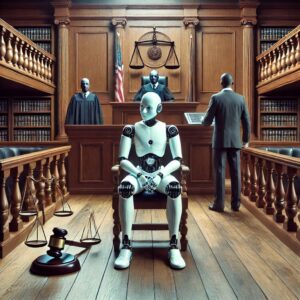
What Is Bias in AI?
Bias happens when AI systems treat some people unfairly because of the data they’re trained on. If the data contains prejudice, the AI will learn and repeat it.
Real-Life Examples
- Hiring Systems: Some AI tools unfairly reject job applications from women or minorities.
- Justice Systems: AI used in courts has been shown to make harsher judgments on certain groups.
Fixing the Problem
To avoid bias, we need diverse teams creating AI and clean data to train it. Regular testing can also help spot and fix bias early.
3. Transparency: Can We Trust AI?
Why Transparency Is Important
Imagine being denied a loan but not knowing why. This happens when AI systems are not transparent. Transparency means making AI’s decisions clear and understandable.
Challenges
AI is often very complex. Explaining how it works can be difficult, even for experts.
Real Examples
One famous case involved AI deciding parole for prisoners. Because the system was a “black box,” no one could explain how it made decisions.
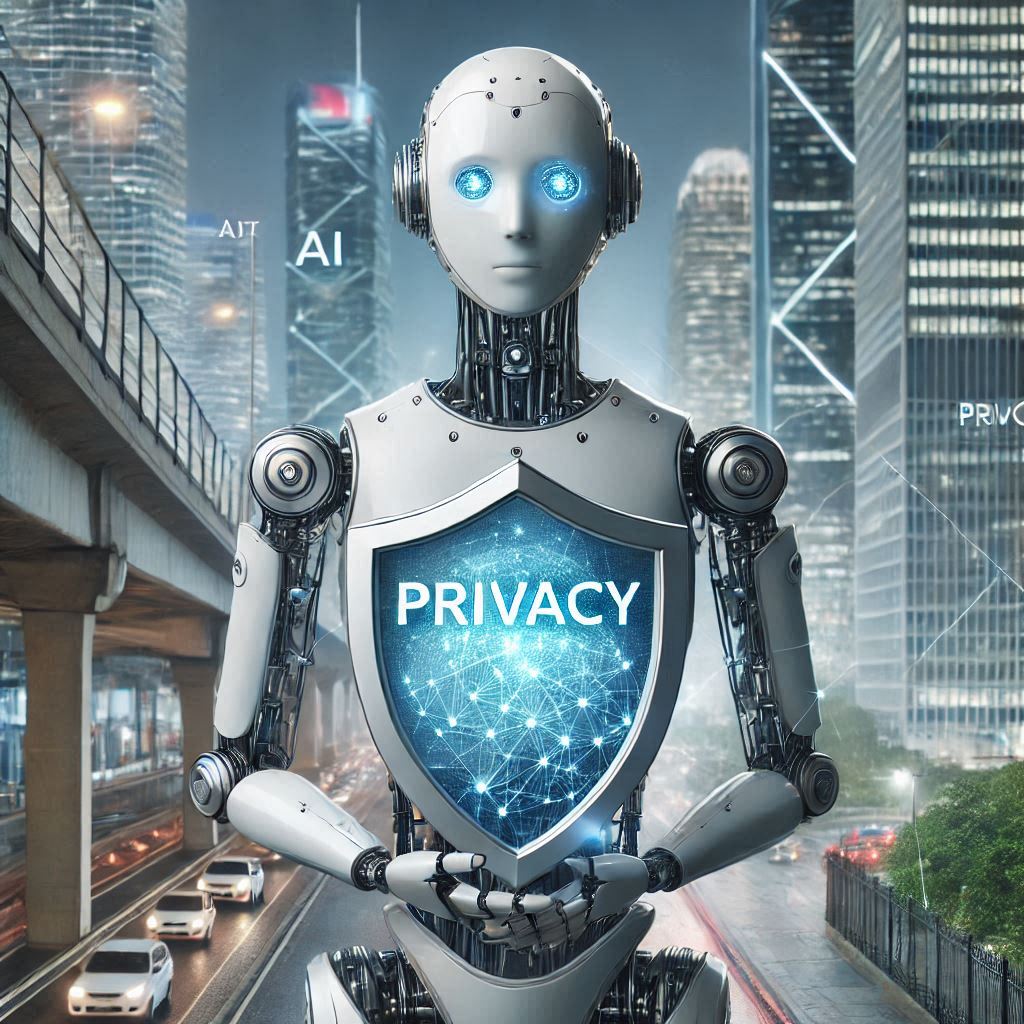
4. Privacy Risks You Didn’t Know About

How AI Uses Data
AI needs a lot of data to work, like personal details from your social media or shopping history.
Privacy Concerns
- Companies might collect your data without permission.
- Hackers could steal sensitive information stored in AI systems.
Balancing Privacy and Progress
We need stronger laws to protect privacy and smarter ways to use data without putting people at risk.
5. Who’s Responsible When AI Fails?
When AI makes a mistake, who’s to blame? The programmer? The company? This is one of the trickiest questions in AI ethics.
Legal Issues
Some countries are creating laws to make companies accountable for AI mistakes. But it’s a slow process.
6. The Right Way to Use AI
Positive Impacts
AI can save lives, improve education, and fight climate change. But only if we use it ethically.
Guiding Principles
- Always test AI systems for fairness.
- Use AI to help, not harm, people.
7. How to Tackle These Challenges
Building Ethical Frameworks
Creating clear guidelines for AI developers can make a big difference. These guidelines should involve experts from all fields, including ethics and technology.
Regular Checks
We need to review AI systems regularly to make sure they’re working as they should.
Conclusion
The ethical implications of AI are not just technical problems—they’re human problems. AI should serve people, not the other way around. By tackling issues like bias, transparency, and accountability, we can build a future where AI is a force for good.
What do you think about the ethical challenges in AI? Do you have ideas or experiences to share? Comment below and join the conversation!
If you would love on how to use AI to your advantage, get my book

You can also explore how AI is trending in renewable energies from our blog article
Learn More about the topic
- Ethical AI Development: A Practical Guide
- AI Ethics and Accountability
- The Role of Transparency in AI