
Top 10 Richest People in the World
Introduction – Top 10 Richest People in the World 2024
Top 10 Richest People in the World for this year, to get there, wasn’t easy, it took great effort! Every year, the world’s wealthiest people compete for the top spots on the billionaire list. In 2024, the race to be the richest is as dynamic and fascinating as ever.
Technology, luxury goods, and investments continue to dominate the sources of wealth, with some familiar faces holding their ground and a few surprises along the way. It’s incredible how these individuals not only amass fortunes but also shape the world through innovation, vision, and relentless pursuit of success.
In this article, I’ll take you through the top 10 richest people in the world as of December 2024. From the tech titans of Silicon Valley to global luxury magnates, let’s dive into who they are, their mind-blowing net worth, and how they made their fortunes. Let’s get started! But for the case we will focus on their Net Worth, Source of Wealth, Notable Achievements
Table of Contents
- Elon Musk
- Jeff Bezos
- Mark Zuckerberg
- Larry Ellison
- Bernard Arnault
- Bill Gates
- Larry Page
- Sergey Brin
- Warren Buffett
- Steve Ballmer
1. Elon Musk (Top 10 Richest People in the World)

Elon Musk—the name itself conjures up visions of electric cars, space rockets, and bold ventures that seem to leap straight out of science fiction. As of December 2024, Musk reigns supreme as the richest person on the planet, with a staggering net worth of $320 billion. But how did he get here?
The Early Days: Born in Pretoria, South Africa, in 1971, Musk displayed a keen interest in technology and entrepreneurship from a young age. He created and sold his first video game at just 12 years old. After moving to the United States to pursue his education, he attended the University of Pennsylvania, earning degrees in economics and physics.
PayPal and the First Fortune: Musk’s first major success came with the creation of X.com, an online payment service that eventually became PayPal. When eBay acquired PayPal in 2002 for $1.5 billion, Musk’s share set the stage for his future ventures.
Tesla—Revolutionizing the Auto Industry: In 2004, Musk joined Tesla Motors, an electric car company founded by Martin Eberhard and Marc Tarpenning. Musk invested heavily and eventually took over as CEO. Under his leadership, Tesla transformed from a niche automaker into the world’s most valuable car company. The Model S, Model 3, Model X, and Model Y became household names, and Tesla’s innovation in battery technology and autonomous driving continues to push boundaries.
SpaceX—Reaching for the Stars: Musk’s ambitions were never limited to Earth. In 2002, he founded SpaceX (Space Exploration Technologies Corp.) with the goal of making space travel more affordable and eventually colonizing Mars. SpaceX has achieved numerous milestones, including the development of the Falcon 1, Falcon 9, and Falcon Heavy rockets, as well as the reusable Dragon spacecraft. In 2020, SpaceX’s Crew Dragon became the first privately built spacecraft to carry astronauts to the International Space Station.
Other Ventures and Innovations:
- Starlink: A satellite internet constellation providing global internet access, especially to remote areas.
- The Boring Company: Focused on tunnel construction to alleviate urban traffic.
- Neuralink: Aiming to merge the human brain with AI through brain-machine interfaces.
Challenges and Controversies: Musk’s journey hasn’t been without challenges. His outspoken nature, controversial tweets, and bold claims have often landed him in hot water. Yet, his risk-taking attitude and vision have earned him both critics and ardent fans.
The Visionary: Musk’s ultimate goals—to transition the world to sustainable energy and make humanity a multi-planetary species—continue to drive his ventures. His relentless work ethic and ability to innovate across industries make him a standout figure of our time.
In 2024, with Tesla’s expansion into new markets and SpaceX’s ambitious missions, Musk shows no signs of slowing down. Love him or hate him, there’s no denying his impact on the world. (- $320 billion – Tesla, SpaceX)
2. Jeff Bezos (Top 10 Richest People in the World 2024)
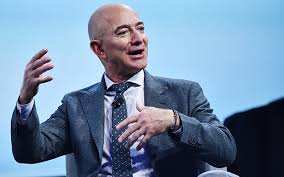
Jeff Bezos, the man who redefined how we shop, remains a formidable figure in 2024 with a net worth of $235 billion. As the founder of Amazon and the space exploration company Blue Origin, Bezos has left an indelible mark on e-commerce, cloud computing, and space travel.
Early Life and Beginnings: Born in Albuquerque, New Mexico, in 1964, Bezos displayed an early aptitude for science and technology. After graduating from Princeton University in 1986 with degrees in electrical engineering and computer science, he worked on Wall Street before taking the leap into entrepreneurship.
The Birth of Amazon: In 1994, Bezos founded Amazon in his garage, originally as an online bookstore. He saw the potential of the internet when few others did. What began with books quickly expanded to include everything from electronics to groceries. Amazon’s innovative approach to logistics, customer service, and cloud technology propelled it into a global powerhouse.
Amazon’s Dominance: Under Bezos’s leadership, Amazon became the largest online retailer in the world. The introduction of Amazon Prime, Alexa, and Amazon Web Services (AWS) revolutionized e-commerce and cloud computing. AWS alone is now a backbone of the internet, hosting services for millions of businesses.
Blue Origin—Reaching for the Stars: In 2000, Bezos founded Blue Origin, his space exploration company. With the motto “Gradatim Ferociter” (Step by Step, Ferociously), Blue Origin aims to make space travel accessible and sustainable. In 2021, Bezos himself went to space aboard the New Shepard rocket, marking a milestone in private space travel.
Philanthropy and Other Ventures:
- The Bezos Earth Fund: Committed $10 billion to combat climate change.
- The Washington Post: Acquired the newspaper in 2013 and revitalized it for the digital age.
- Day 1 Fund: Focuses on funding education and addressing homelessness.
Challenges and Controversies: Bezos’s journey hasn’t been without challenges. Amazon has faced scrutiny over labor practices, market dominance, and environmental impact. His personal life also made headlines with his high-profile divorce in 2019, which led to one of the largest divorce settlements in history.
A Visionary Legacy: Despite stepping down as Amazon’s CEO in 2021, Bezos remains its executive chairman and continues to influence its direction. His focus on space exploration, sustainability, and innovation ensures that his legacy will continue to evolve.
In 2024, Bezos’s wealth and influence remain as significant as ever. Whether it’s through revolutionizing shopping, pioneering space travel, or tackling global challenges, Bezos’s impact on the world is undeniable. (- $235 billion – Amazon, Blue Origin )
3. Mark Zuckerberg (Top 10 Richest People in the World 2024)
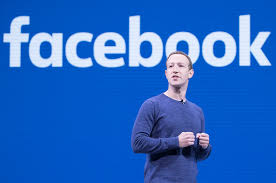
Mark Zuckerberg—the face behind social media’s meteoric rise—continues to hold his spot among the world’s wealthiest individuals with a net worth of $205 billion as of December 2024. As the mastermind behind Facebook (now known as Meta Platforms), Zuckerberg’s influence on how we connect, share, and interact online is unparalleled.
Early Life and Beginnings:
Born in White Plains, New York, in 1984, Zuckerberg exhibited a knack for programming from a young age. His father, a dentist, taught him the basics of programming using Atari BASIC. By his early teens, he developed “ZuckNet,” a messaging system for his family to use within their household. While attending Phillips Exeter Academy, he continued to refine his programming skills, creating music recommendation software and other projects.
The Birth of Facebook:
In 2004, during his sophomore year at Harvard University, Zuckerberg launched TheFacebook with co-founders Dustin Moskovitz, Chris Hughes, and Eduardo Saverin. Initially a platform for Harvard students, the site quickly expanded to other Ivy League schools, and before long, anyone over 13 could join. The social network’s exponential growth was fueled by its user-friendly interface and the human desire to connect.
In 2005, Facebook secured its first major investment of $12.7 million from Accel Partners. The platform’s innovative features like the News Feed, the “Like” button, and Facebook Groups helped cement it as the dominant social networking site. By 2012, Facebook went public with one of the largest IPOs in tech history, valuing the company at $104 billion.
The Meta Rebrand:
In 2021, Zuckerberg rebranded the parent company of Facebook, Instagram, and WhatsApp as Meta Platforms to reflect his ambitious vision of the “metaverse.” The metaverse is a virtual world where people can work, play, and socialize in immersive digital spaces. While the concept faced skepticism and challenges, Zuckerberg’s dedication to evolving digital interaction remains steadfast.
Acquisitions and Expansion:
Zuckerberg has led Meta Platforms to acquire several key companies to diversify its portfolio and strengthen its dominance:
- Instagram (2012) for $1 billion – Now a leading photo and video-sharing app.
- WhatsApp (2014) for $19 billion – The world’s most-used messaging app.
- Oculus VR (2014) for $2 billion – Pioneering virtual reality headsets.
These acquisitions not only expanded Meta’s reach but also aligned with Zuckerberg’s long-term vision of integrated social and digital experiences.
Challenges and Controversies:
Zuckerberg’s journey has not been without turbulence. Meta Platforms faced multiple controversies, including:
- Cambridge Analytica Scandal (2018): Misuse of user data raised global concerns about privacy.
- Misinformation and Content Moderation: Issues related to fake news, political interference, and harmful content sparked debates about social media’s role in society.
- Congressional Hearings: Zuckerberg has testified before the U.S. Congress multiple times regarding Meta’s practices and responsibilities.
Despite these challenges, Zuckerberg has remained committed to evolving the platform and addressing concerns, albeit with varying levels of public satisfaction.
Philanthropy and Personal Life:
Zuckerberg and his wife, Priscilla Chan, founded the Chan Zuckerberg Initiative (CZI) in 2015, pledging 99% of their Facebook shares to causes like education, scientific research, and healthcare. CZI aims to “advance human potential and promote equality” by leveraging technology and philanthropy.
The Vision for the Future:
Zuckerberg continues to lead Meta Platforms with an eye on future technologies. His focus on virtual reality, augmented reality, and artificial intelligence reflects his desire to pioneer the next stage of digital communication. Whether the metaverse succeeds or not, Zuckerberg’s impact on social media and connectivity is already deeply entrenched in modern history.
In 2024, with his vast fortune and ongoing innovations, Mark Zuckerberg stands as a testament to the transformative power of technology—and the challenges that come with it. (- $205 billion – Meta Platforms )
- Larry Ellison
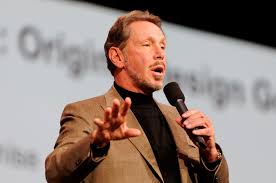
If there’s one person who embodies the spirit of tech innovation mixed with a dash of rebellious flair, it’s Larry Ellison. As of December 2024, Ellison commands a net worth of $203 billion, solidifying his place among the world’s richest. The co-founder of Oracle Corporation, Ellison has carved out a legacy in enterprise software, database technology, and cloud computing. But his story is far from ordinary—it’s a tale of grit, ambition, and a relentless drive to stay ahead of the curve.
Humble Beginnings with Big Dreams
Born in New York City in 1944, Ellison’s early life was filled with challenges. He was raised by his aunt and uncle in a modest neighborhood in Chicago after being given up by his biological mother. Despite these early struggles, Ellison showed an independent streak and a keen mind for technology. He dropped out of college twice—first from the University of Illinois and later from the University of Chicago—before deciding that formal education wasn’t his path to success.
The Birth of Oracle
In 1977, alongside Bob Miner and Ed Oates, Ellison co-founded a company originally named Software Development Laboratories (SDL) with just $2,000. Their goal? To develop a relational database management system that could revolutionize how businesses managed and accessed data. Inspired by a paper written by Edgar F. Codd on relational databases, Ellison saw a massive opportunity.
By 1982, SDL had been rebranded as Oracle Systems Corporation, named after their flagship product, the Oracle Database. The software was a game-changer. Companies could now organize, store, and retrieve vast amounts of data quickly and efficiently.
Building a Software Empire
Under Ellison’s leadership, Oracle became the gold standard in database technology. The company’s aggressive sales tactics, constant innovation, and ability to stay ahead of competitors made it a giant in the tech industry. Oracle went public in 1986, and Ellison became a billionaire by the early 1990s.
Key Innovations and Expansions
Ellison didn’t stop at databases. He spearheaded Oracle’s expansion into cloud computing, business applications, and hardware. Some of his notable strategic moves include:
- Acquisition of Sun Microsystems (2010): This brought Java, MySQL, and other essential technologies under Oracle’s umbrella.
- Embracing Cloud Computing: As tech shifted to the cloud, Ellison ensured Oracle pivoted with it, competing with giants like Amazon Web Services (AWS) and Microsoft Azure.
- Development of Oracle Cloud Infrastructure (OCI): Offering cloud solutions that cater to enterprise needs, making Oracle a significant player in cloud services.
A Maverick Leader
Ellison’s leadership style is legendary. Known for his sharp wit, fierce competitiveness, and no-nonsense attitude, he built a culture at Oracle that thrived on ambition and innovation. He famously said, “I have had all the disadvantages required for success.”
Beyond the Boardroom: Ellison’s Extravagant Lifestyle
Larry Ellison is not just about business; he knows how to live life to the fullest. His interests include:
- Yachting: He’s an accomplished sailor and his team, Oracle Team USA, won the prestigious America’s Cup in 2010 and 2013.
- Real Estate: Ellison owns luxury properties across the world, including entire neighborhoods in Malibu, a historic garden property in Kyoto, and the Hawaiian island of Lanai, which he purchased for $300 million in 2012.
- Tennis: He owns the Indian Wells Tennis Garden in California and the BNP Paribas Open, one of the largest tennis tournaments in the world.
Philanthropy and Giving Back
Ellison has also turned his attention to philanthropy in recent years. Through his Larry Ellison Foundation, he focuses on:
- Medical Research: Funding efforts to combat diseases like cancer and aging.
- Education Initiatives: Supporting projects that offer better educational opportunities, especially in STEM fields.
In 2016, Ellison pledged $200 million to the University of Southern California for a cancer research center. He is also a signatory of The Giving Pledge, promising to donate a significant portion of his wealth to charitable causes.
Challenges and Triumphs
Ellison’s career hasn’t been without challenges. Oracle faced stiff competition, legal battles, and market shifts. Yet, his ability to adapt, innovate, and make bold decisions has kept Oracle relevant for nearly five decades. His resilience and vision have ensured that both he and his company remain powerhouses in the tech world.
The Legacy of a Tech Titan
In 2024, Larry Ellison’s net worth of $203 billion is a testament to his brilliance, ambition, and ability to see opportunities where others saw obstacles. He’s not just a software magnate—he’s an icon of the tech revolution, a risk-taker, and a man who continues to shape the future of technology.
Whether it’s through cutting-edge software, cloud innovations, or his adventurous lifestyle, Ellison’s legacy is one of pushing boundaries and redefining what’s possible. ( – $203 billion – Oracle)
5. Bernard Arnault
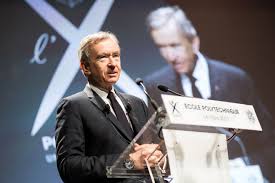
If luxury had a face, it would undoubtedly be Bernard Arnault’s. As the CEO and chairman of LVMH, the world’s largest luxury goods conglomerate, Arnault embodies sophistication, business acumen, and an impeccable sense of taste. In 2024, his net worth stands at a jaw-dropping $164 billion, making him not just a titan of industry, but a global symbol of luxury and opulence.
Early Life and Humble Beginnings:
Born in 1949 in Roubaix, a small town in northern France, Arnault grew up in a family with a background in construction. He graduated from the prestigious École Polytechnique in 1971, France’s top engineering school. After joining his family’s construction business, Ferret-Savinel, he showed a knack for strategic thinking and quickly rose to prominence.
In 1981, as the French economy faced turbulence, Arnault seized an opportunity to expand beyond construction. He moved to the United States and gained insight into how businesses operated in a more competitive environment—a lesson that would prove invaluable.
The Bold Move into Luxury:
Arnault’s entry into the luxury market wasn’t accidental; it was a calculated and visionary move. In 1984, he acquired Boussac Saint-Frères, a struggling textile company that owned the iconic French fashion house Christian Dior. This acquisition marked the beginning of his illustrious career in luxury goods. Arnault’s strategic genius lay in recognizing Dior’s untapped potential and revitalizing it into a global brand.
Building the LVMH Empire:
In 1987, Arnault took a controlling interest in LVMH, a merger of Louis Vuitton and Moët Hennessy. Over the next few decades, he transformed LVMH into a powerhouse of luxury brands, including:
- Louis Vuitton – The symbol of luxury travel goods.
- Moët & Chandon and Hennessy – Renowned champagne and cognac houses.
- Christian Dior – The flagship of French haute couture.
- Givenchy, Fendi, Bulgari, Tag Heuer, and Sephora – Just a few of the 75 luxury brands under LVMH’s umbrella.
Arnault’s strategy was simple yet brilliant: acquire high-end brands, preserve their unique heritage, and modernize their appeal. His eye for detail and insistence on quality helped LVMH dominate the global luxury market.
Achievements and Innovations:
Arnault has earned his reputation as the “Wolf in Cashmere” for his fierce business acumen masked by a polished demeanor. His leadership has led LVMH to:
- Record-Breaking Revenue: LVMH consistently posts billions in annual revenue, even during economic downturns.
- Global Expansion: From flagship stores on Paris’s Champs-Élysées to boutiques in New York, Tokyo, and Dubai, LVMH brands are global symbols of luxury.
- Innovation in Fashion: Collaborations with modern designers like Virgil Abloh (Louis Vuitton) and bold marketing strategies have kept LVMH brands fresh and appealing to younger generations.
Art, Culture, and Philanthropy:
Arnault isn’t just a businessman; he’s a patron of the arts. He established the Fondation Louis Vuitton, a stunning art museum in Paris dedicated to contemporary art and culture. He believes that luxury and art are intertwined, and his support for creativity extends beyond the boardroom.
His philanthropic endeavors also include generous donations to restore the Notre-Dame Cathedral after the 2019 fire and ongoing contributions to cultural and educational causes.
Challenges and Triumphs:
Like all great leaders, Arnault has faced his share of challenges. From navigating economic recessions to addressing the evolving tastes of consumers, his ability to adapt has kept LVMH resilient. Critics have occasionally questioned the ethics of luxury spending, but Arnault’s commitment to craftsmanship, heritage, and innovation keeps LVMH at the top.
The Luxury Visionary:
Arnault’s success isn’t just about wealth—it’s about vision, taste, and an unwavering commitment to excellence. His ability to blend tradition with modernity has made him a standout figure in the world of business. Whether it’s a timeless Louis Vuitton bag or a bottle of Moët & Chandon champagne, his empire represents the pinnacle of luxury.
In 2024, with a net worth of $164 billion, Bernard Arnault continues to lead the world of luxury with finesse and precision. His story is a testament to the power of vision, strategy, and a little touch of French elegance. (- $164 billion – LVMH )
6. Bill Gates (Top 10 Richest People in the World 2024)
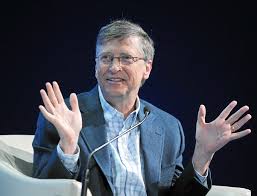
When you hear the name Bill Gates, what comes to mind? Computers, technology, philanthropy, and maybe a certain blue Windows logo? As of December 2024, Bill Gates maintains his place among the world’s wealthiest, with a net worth of $162 billion. But his story isn’t just about amassing wealth—it’s about revolutionizing technology, making the world more connected, and ultimately, giving back.
Early Life and the Spark of Genius:
Born in Seattle, Washington, in 1955, Gates showed an affinity for computers early on. At just 13, he was already programming on a rudimentary computer at Lakeside School. His passion was so strong that he would sometimes sneak into the school’s computer room at night! This wasn’t just a phase; it was the beginning of something world-changing.
The Birth of Microsoft:
In 1975, Gates and his childhood friend Paul Allen co-founded Microsoft with a vision: to put a computer on every desk and in every home. Their first big break came when Microsoft developed the MS-DOS operating system for IBM’s first personal computer. From there, things took off.
In 1985, they introduced Windows 1.0, a graphical interface that simplified computing and made it more user-friendly. This was a game-changer. Through the late 80s and 90s, Microsoft Windows became the dominant operating system, powering millions of computers worldwide.
Building an Empire:
Under Gates’s leadership, Microsoft evolved from a scrappy startup to a tech giant. Products like Microsoft Office (Word, Excel, PowerPoint) became essential tools for businesses and individuals. By the mid-90s, Windows 95 set new standards for operating systems, and Microsoft was firmly at the heart of the tech revolution.
By the time Gates stepped down as Microsoft’s CEO in 2000, he had built one of the most influential companies in the world. His success wasn’t just about great products—it was about understanding the future of technology before anyone else did.
Philanthropy and the Gates Foundation:
But Gates’s story doesn’t end with Microsoft. In fact, it gets even more inspiring. Along with his then-wife, Melinda Gates, he founded the Bill & Melinda Gates Foundation in 2000. This organization focuses on global health, education, and poverty reduction.
Key achievements of the foundation include:
- Eradicating Diseases: Significant efforts to combat malaria, polio, and other infectious diseases.
- Education Initiatives: Funding educational programs to improve learning outcomes worldwide.
- COVID-19 Response: Providing billions in aid for vaccine research and distribution.
Gates pledged to donate the majority of his wealth to charity, a promise he lives up to through initiatives like The Giving Pledge, which encourages billionaires to commit to philanthropy.
Innovations Beyond Microsoft:
Even after leaving his full-time role at Microsoft, Gates continued to influence technology and innovation. He remains involved in:
- Climate Change Solutions: Through investments in clean energy and his book “How to Avoid a Climate Disaster,” Gates is advocating for a sustainable future.
- Breakthrough Energy Ventures: Funding startups developing next-gen energy solutions.
Challenges and Controversies:
Gates’s journey hasn’t been without bumps. Microsoft faced antitrust lawsuits in the late 90s, accusing the company of monopolistic practices. More recently, his personal life came under public scrutiny following his divorce from Melinda in 2021. Yet, despite these challenges, Gates remains focused on his vision of improving the world through innovation and philanthropy.
A Legacy of Impact:
Gates’s legacy is more than just the Windows operating system. It’s about transforming how we work, communicate, and solve global challenges. From empowering businesses with Microsoft tools to funding life-saving vaccines, his impact is felt around the globe.
In 2024, with a net worth of $162 billion, Gates continues to influence the worlds of technology and philanthropy. He’s not just a tech mogul; he’s a visionary who proves that success is best measured not by how much you keep, but by how much you give back. (- $162 billion – Microsoft)
7.Larry Page (Top 10 Richest People in the World 2024)
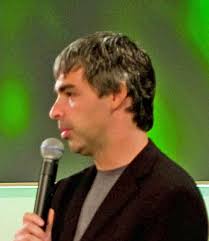
Larry Page, is a co-founder of Google and former CEO of Alphabet Inc., holds the 7th spot among the world’s richest people in 2024, with a net worth of $161 billion. His contributions to technology have transformed the way we search for information, navigate the digital world, and access knowledge.
Early Life and Education
Born on March 26, 1973, in Lansing, Michigan, Larry Page grew up in a household deeply immersed in computer science. His father, Carl Victor Page Sr., was a pioneer in computer science, and his mother, Gloria, taught computer programming. This environment fostered Page’s love for technology from an early age.
Page attended the University of Michigan, earning a degree in computer engineering. He later pursued his Ph.D. at Stanford University, where he met Sergey Brin. Their collaboration would soon change the internet forever.
The Birth of Google
In 1998, while still Ph.D. students, Page and Brin co-founded Google Inc. in a garage in Menlo Park, California. Their goal was to create a search engine that could organize the world’s information and make it universally accessible and useful. Google’s innovative PageRank algorithm revolutionized web search, delivering more accurate and relevant search results than ever before.
Google quickly grew from a simple search engine to a global technology giant. It became the gateway to the internet for billions of people worldwide, and its name even became a verb: “to Google” something.
The Formation of Alphabet
In 2015, Page and Brin restructured Google to create Alphabet Inc., a holding company overseeing Google and its diverse subsidiaries, including YouTube, Waymo (self-driving cars), DeepMind (AI), and Google Cloud. This allowed Alphabet to explore ambitious projects beyond search and advertising.
Page served as Alphabet’s CEO until 2019, when he stepped back from day-to-day operations. Despite this, he remains a board member and continues to influence the company’s strategic direction.
Innovations and Ventures
Larry Page’s vision extends beyond search engines. His interest in futuristic technologies has led to significant investments and innovations:
- Waymo: One of the leaders in self-driving car technology, aiming to revolutionize transportation.
- Google X (now X Development): The “moonshot” division of Alphabet, which focuses on radical innovations like delivery drones, smart glasses, and internet balloons.
- Calico: A biotech company focused on combating aging and extending human life.
- Kitty Hawk: A company dedicated to developing electric flying vehicles.
Philanthropy and Personal Life
Larry Page is known for his preference for privacy. While not as publicly philanthropic as some of his peers, he has supported various causes through the Carl Victor Page Memorial Foundation, named after his late father. His donations focus on renewable energy, education, and scientific research.
Page is also an advocate for clean energy and sustainable technology, aligning with his belief in creating a better future for humanity. His investments in electric aviation and clean tech reflect this commitment.
Challenges and Legacy
Google’s dominance has brought both acclaim and controversy. Issues around data privacy, antitrust regulations, and misinformation have led to global scrutiny. However, Page’s vision of organizing information and pushing technological boundaries remains a cornerstone of modern life.
Despite stepping away from an active leadership role, Larry Page’s impact is enduring. In 2024, his fortune continues to grow, driven by Alphabet’s ongoing success in AI, cloud computing, and autonomous technology.
The Visionary Behind the Curtain
Larry Page may not seek the limelight, but his influence on the digital world is undeniable. His relentless curiosity and willingness to take risks have helped shape the future of technology. As one of the pioneers of the internet age, Page’s legacy is one of innovation, exploration, and a commitment to solving humanity’s biggest challenges. ($161 billion – Alphabet)
8. Sergey Brin: (Top 10 Richest People in the World 2024)
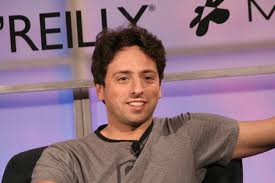
Sergey Brin, is also co-founder of Google and one of the key architects of the modern internet, holds the ninth spot on the list of the richest people in 2024. With a net worth of $151 billion, Brin’s fortune is tied to the monumental success of Alphabet Inc., the parent company of Google. His contributions to technology, artificial intelligence, and data processing have forever changed how the world accesses information.
Early Life and Education
Born on August 21, 1973, in Moscow, Russia, Sergey Brin emigrated to the United States with his family in 1979 to escape anti-Semitic discrimination in the Soviet Union. The family settled in Maryland, where Brin’s father, a mathematics professor, and his mother, a researcher at NASA, nurtured his passion for science and technology.
Brin attended the University of Maryland, earning a degree in mathematics and computer science. He then pursued his Ph.D. at Stanford University, where his life would take a groundbreaking turn.
The Birth of Google
In 1995, Brin met Larry Page at Stanford University. Though initially at odds, the two quickly bonded over a shared vision: to organize the vast amount of information on the internet. They began working on a search engine project called “BackRub”, which analyzed backlinks to determine the importance of web pages.
In 1998, Brin and Page co-founded Google Inc. in a garage in Menlo Park, California. Their revolutionary PageRank algorithm made Google’s search engine more effective than anything else available at the time. Google rapidly grew, and by the early 2000s, it had become the most popular search engine in the world.
Google’s Expansion and Innovations
Under Brin’s and Page’s leadership, Google expanded beyond search into various sectors, including:
- YouTube: Acquired in 2006, it became the world’s leading video-sharing platform.
- Android: The world’s most widely used mobile operating system.
- Google Maps and Google Earth: Transforming how we navigate the world.
- Google Cloud: Competing in the cloud computing market.
- Google Ads: Dominating the digital advertising industry.
Brin’s focus was often on the technological and engineering aspects of Google. He oversaw the development of groundbreaking projects like Google Glass and self-driving car technology (Waymo).
Alphabet Inc. and Brin’s Role
In 2015, Brin and Page reorganized Google into a new holding company, Alphabet Inc., to manage its diverse ventures more effectively. Brin served as the President of Alphabet until 2019, when he stepped back from active management alongside Page.
Despite leaving his formal executive role, Brin remains a board member and a significant shareholder in Alphabet, ensuring his influence in the company’s future.
Other Ventures and Interests
Brin is known for his interest in ambitious and forward-thinking projects, including:
- Google X (now X Development): The “moonshot” division responsible for innovations like self-driving cars and delivery drones.
- Artificial Intelligence: Brin has been a strong proponent of AI and machine learning, pushing Alphabet’s investments in AI research and development.
- Renewable Energy: He has supported various green energy initiatives to combat climate change.
Philanthropy and Personal Life
Brin is deeply involved in philanthropy through the Brin Wojcicki Foundation, which he co-founded with his former wife, Anne Wojcicki. The foundation supports causes such as:
- Parkinson’s Disease Research: Brin has a genetic predisposition to Parkinson’s, which has motivated his contributions to research and treatment.
- Education and Science: Funding for scientific research, education initiatives, and tech innovation.
- Disaster Relief and Social Justice: Supporting various humanitarian causes worldwide.
In his personal life, Brin is known for his adventurous spirit. He enjoys activities like kiteboarding, skiing, and flying. He is also a proponent of healthy living and technological solutions that improve human well-being.
Challenges and Controversies
Brin’s career hasn’t been without challenges. Google and Alphabet have faced scrutiny over:
- Data Privacy: Concerns about how user data is collected and used.
- Antitrust Issues: Accusations of monopolistic practices and stifling competition.
- Content Moderation: Debates over misinformation and censorship on Google-owned platforms.
Despite these challenges, Brin’s vision and leadership have cemented Google as an indispensable part of modern life.
Legacy and Impact
Sergey Brin’s legacy is one of relentless innovation and curiosity. His work has made the world’s information accessible to billions, and his influence on technology is unparalleled.
As of 2024, with a net worth of $151 billion, Brin continues to shape the future through his investments in AI, science, and cutting-edge technologies.
His story is a testament to how a passion for knowledge and a willingness to take risks can transform the world. While he may prefer to stay out of the spotlight, Sergey Brin’s impact is felt every time someone searches for information, uses a smartphone, or navigates with Google Maps.
Brin’s journey reminds us that innovation knows no limits—and neither does the potential to change the world. ( $151 billion – Alphabet )
9. Warren Buffett (Top 10 Richest People in the World 2024)
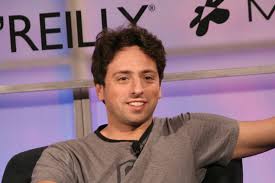
When it comes to investing, no name shines brighter than Warren Buffett. Known as the “Oracle of Omaha,” Buffett is not only one of the richest people in the world but also one of the most respected. As of December 2024, Buffett’s net worth stands at $148 billion, a result of his decades-long mastery of value investing through Berkshire Hathaway.
Early Life and Beginnings
Born in Omaha, Nebraska, in 1930, Warren Buffett’s fascination with business began at an early age. By 11, he had already made his first stock purchase.
His knack for numbers and understanding of markets set him apart. Buffett attended the University of Nebraska and later earned a master’s degree from Columbia Business School, where he studied under the legendary investor Benjamin Graham—the father of value investing.
The Birth of Berkshire Hathaway
Buffett’s journey to immense wealth began with the textile company Berkshire Hathaway, which he took over in the mid-1960s. Rather than sticking to textiles, he used the company as a vehicle to invest in other businesses. Over time, he transformed it into a massive conglomerate holding company with interests in insurance, utilities, manufacturing, and more.
Investment Philosophy
Buffett’s investment approach is simple yet powerful: buy undervalued companies and hold them long-term. His strategy emphasizes:
- Value Investing: Seeking companies with solid fundamentals that are undervalued by the market.
- Long-Term Vision: Buffett’s famous saying, “Our favorite holding period is forever,” reflects his belief in patience and the power of compounding returns.
- Business Quality: He invests in companies with strong management, sustainable competitive advantages, and clear growth potential.
Iconic Investments
Some of Buffett’s most famous investments include:
- Coca-Cola: Buffett began investing in Coca-Cola in 1988 and now owns a significant stake. The beverage giant’s strong brand and global reach perfectly align with Buffett’s philosophy.
- Apple: Despite his initial hesitation toward tech stocks, Buffett’s investment in Apple has been one of his most profitable moves.
- Geico: The insurance giant has been a core part of Berkshire Hathaway’s success.
- See’s Candies, Dairy Queen, and BNSF Railway: These diverse investments highlight Buffett’s ability to spot value across industries.
A Humble Lifestyle
Despite his immense wealth, Buffett is known for his modest lifestyle. He still lives in the same five-bedroom house in Omaha that he bought in 1958 for $31,500. He drives his own car and enjoys simple pleasures, like a daily meal from McDonald’s and drinking Cherry Coke.
Philanthropy and the Giving Pledge
Warren Buffett is as famous for his generosity as he is for his wealth. He has pledged to give away over 99% of his fortune. His philanthropic efforts include:
- The Giving Pledge: In 2010, alongside Bill Gates and Melinda French Gates, Buffett co-founded the Giving Pledge, encouraging billionaires to donate the majority of their wealth to charitable causes.
- Donations to the Gates Foundation: Buffett has donated billions to the Bill & Melinda Gates Foundation, supporting initiatives in health, education, and poverty alleviation.
- Annual Donations to Family Foundations: He regularly contributes to foundations run by his children that focus on causes ranging from education to human rights.
Challenges and Triumphs
Buffett has faced his share of challenges, from market downturns to changing business landscapes. Yet, his disciplined approach and refusal to follow market fads have enabled him to weather economic storms and come out stronger. His ability to stay true to his principles has made him a role model for investors worldwide.
The Legacy of the Oracle of Omaha
Warren Buffett’s legacy extends beyond his immense wealth. He is a symbol of integrity, patience, and wisdom in the world of finance. His annual letters to Berkshire Hathaway shareholders are legendary, filled with wit, insights, and lessons on investing and life.
In 2024, with a net worth of $148 billion, Buffett remains an icon in the investing world. His influence, humility, and commitment to giving back ensure that his impact will be felt for generations to come. As he famously said, “Someone’s sitting in the shade today because someone planted a tree a long time ago.” ($148 billion – Berkshire Hathaway )
10. Steve Ballmer – Top 10 Richest People in the World 2024
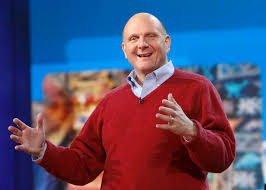
Few people embody energy, enthusiasm, and business acumen like Steve Ballmer. Known for his spirited leadership style and unwavering dedication to Microsoft, Ballmer’s journey to becoming one of the richest people in the world is a remarkable story of commitment, vision, and smart investments. As of December 2024, Ballmer boasts a net worth of $148 billion, solidifying his place among the world’s wealthiest individuals.
Early Life and Education
Born on March 24, 1956, in Detroit, Michigan, Ballmer grew up in a family that emphasized hard work and education. His father was a manager at the Ford Motor Company, and young Steve excelled academically.
He attended Harvard University, where he met Bill Gates, a friendship that would change the course of his life. At Harvard, Ballmer was known for his competitive spirit, even serving as the manager of the football team and writing for the Harvard Crimson newspaper.
After graduating with a degree in mathematics and economics in 1977, Ballmer worked briefly at Procter & Gamble as a product manager. However, his career took a monumental turn when he dropped out of the Stanford Graduate School of Business to join Microsoft in 1980. He was the company’s 30th employee and the first business manager hired by Gates.
Microsoft Years — From Manager to CEO
Steve Ballmer’s journey at Microsoft is nothing short of legendary. He held a series of increasingly significant roles, rising through the ranks with his unparalleled drive and strategic insights. His early responsibilities included managing sales, marketing, and operations, but his energy and loyalty soon earned him a key leadership role.
In 2000, Ballmer succeeded Bill Gates as CEO of Microsoft, a position he held until his retirement in 2014. Under his leadership, Microsoft saw significant growth and expansion, reaching new heights in several key areas:
- Windows XP and Windows 7: These operating systems became dominant forces in the tech world, providing stable and user-friendly platforms for millions of users worldwide.
- Microsoft Office: Ballmer drove the expansion of the Office suite, making programs like Word, Excel, and PowerPoint staples for businesses and individuals.
- Enterprise Services: Recognizing the potential of cloud computing, he laid the groundwork for what would become Microsoft Azure, the company’s cloud service platform.
- Xbox and Entertainment: Ballmer oversaw the launch and success of the Xbox gaming console, entering Microsoft into the highly competitive gaming industry.
Challenges and Controversies
Ballmer’s tenure wasn’t without its challenges. He faced criticism for missing key trends in mobile technology, particularly the rise of iOS and Android. The company’s acquisition of Nokia in 2013 was considered a misstep, and Microsoft’s mobile phone ambitions ultimately fell short.
Despite these hurdles, Ballmer’s legacy at Microsoft remains significant. When he stepped down in 2014, Microsoft was a tech giant with robust enterprise services, a thriving gaming division, and a foundation for future innovations.
The Ownership of the LA Clippers
After leaving Microsoft, Ballmer directed his passion toward sports. In 2014, he purchased the Los Angeles Clippers for $2 billion, marking the beginning of a new chapter.
Known for his enthusiastic courtside presence, Ballmer injected new energy into the franchise, focusing on improving both the team’s performance and its fan experience. His investments in state-of-the-art facilities and player development have helped the Clippers become a formidable force in the NBA.
Philanthropy and Personal Life
Steve Ballmer’s wealth has not been confined to business and sports. Together with his wife, Connie Ballmer, he has been a dedicated philanthropist:
- Ballmer Group: Focused on economic mobility for children and families, the Ballmer Group supports initiatives aimed at education, health, and poverty reduction.
- Donations to Education: He has contributed millions to his alma mater, Harvard University, and other educational causes.
- Public Data Initiatives: He founded USAFacts, a nonpartisan platform providing clear and accessible data on U.S. government spending and operations.
The Ballmer Energy
If there’s one thing people remember about Steve Ballmer, it’s his infectious energy. His enthusiastic speeches, whether at Microsoft conferences or Clippers games, have become legendary. Who can forget his infamous chant of “Developers! Developers! Developers!” or his high-octane stage presence? Ballmer’s passion, humor, and unapologetic enthusiasm have made him a beloved figure in both tech and sports circles.
Legacy and Impact
Steve Ballmer’s journey from a Harvard graduate to Microsoft’s CEO and then to an NBA team owner is a testament to his adaptability, intelligence, and relentless drive. His wealth, now standing at $148 billion, reflects decades of hard work, strategic decisions, and unwavering commitment. Ballmer’s story is a reminder that success is not just about intelligence but also about passion, perseverance, and seizing opportunities.
In 2024, Ballmer remains an influential figure, continuing to shape industries, communities, and lives with his unique blend of business acumen and boundless energy. ($148 billion – Microsoft )
Conclusion
The top 10 richest people of 2024 offer a fascinating snapshot of modern wealth and innovation. From pioneering electric vehicles and space exploration to revolutionizing e-commerce, social media, and software, these billionaires have reshaped industries and influenced billions of lives. Their combined net worth reflects the power of technology, investments, and luxury goods in today’s economy.
Figures like Elon Musk, Jeff Bezos, and Mark Zuckerberg continue to dominate the tech space, while visionaries like Bernard Arnault and Warren Buffett showcase the enduring impact of luxury and investments. These individuals are not only building vast empires but also driving change and pushing the limits of what’s possible. Their journeys remind us that relentless innovation, vision, and adaptability are key to long-term success in an ever-changing world.
We not only cover topics about business people but also cover a vast topics about AI, you can check out our article about Generative AI
You can learn more about the same subject from the links below
- Forbes
- Link to their annual “World’s Billionaires” list or related articles.
- URL example: https://www.forbes.com/billionaires
- Bloomberg
- Use their Billionaires Index for updated and reliable data.
- URL example: https://www.bloomberg.com/billionaires
- CNBC
- Link to their articles on wealth management or profiles of billionaires.
- URL example: https://www.cnbc.com
- Business Insider
- Highlight insightful articles about the lives and businesses of the richest individuals.
- URL example: https://www.businessinsider.com
- The Guardian
- Use their content on wealth disparity or profiles of the wealthy.
- URL example: https://www.theguardian.com
- Wikipedia
- For basic details about billionaire profiles or rankings (ensure it’s supplemented by other credible sources).
- URL example: https://en.wikipedia.org/wiki/The_World’s_Billionaires
- Investopedia
- Articles about wealth-building strategies or net worth calculations.
- URL example: https://www.investopedia.com